Creating the Perfect Custom Produce Boxes: A Methodical Approach
Developing custom produce boxes needs a strategic strategy. Experts must evaluate environmental impact, practicality, and visual appeal. Choosing the suitable materials is essential for preserving freshness and supporting eco-friendly methods. Moreover, size and configuration can greatly impact usability and shipping efficiency. Compelling graphics enhance brand identity, while thorough testing guarantees strength. Understanding these components will uncover key insights into producing remarkable packaging solutions that appeal to customers. What follows is fundamental to achieving those targets.
Choosing the Right Components for Custom Produce Boxes
When determining materials for custom produce boxes, it is important to examine both functionality and sustainability. The type of material substantially shapes the box's wear resistance, weight, and capacity to protect the contents. Common materials comprise corrugated cardboard, which offers strength and is recyclable, making it a popular choice for eco-conscious businesses. Compostable options, such as molded pulp or plant-based plastics, also align with eco-conscious practices while providing ample protection for delicate produce.
Moreover, moisture resistance is indispensable for keeping quality consistent, causing some producers to assess enhanced substances or particular protective applications. The visual charm of the box cannot be dismissed, since brand positioning and graphical elements can determine buyer perspective. Ultimately, the best option should equilibrate between maintaining product integrity, appealing to customers, and adhering to environmental standards, ensuring both functionality and sustainability are prioritized within the development procedure.
How to Pick Size and Shape for Functionality?
When selecting the dimensions and form of custom produce boxes, thorough evaluation of produce measurements is essential for proper storage. Additionally, considerations for handling and transport can impact the box structure, ensuring ease of movement. Maximizing storage space utilization further improves functionality, allowing for efficient display and storage.
Evaluate Produce Dimensions Carefully
Picking the ideal size and shape for fruit containers is necessary for operational success. Meticulous examination of item dimensions is critical, as it ensures that products fit snugly without superfluous space that might lead to harm during transport or warehousing. Custom-designed containers need to support various shapes, from delicate berries to substantial vegetables, while upholding strength. Moreover, the vertical and horizontal measurements of the boxes should facilitate stacking and systematic arrangement, optimizing space in storage locations. A skillfully made box not only protects the produce but also enhances visual appeal for consumers. In conclusion, careful consideration of dimensions contributes to curtailing losses and boosting consumer satisfaction in the supply chain.
Think About Managing Handling and Transport
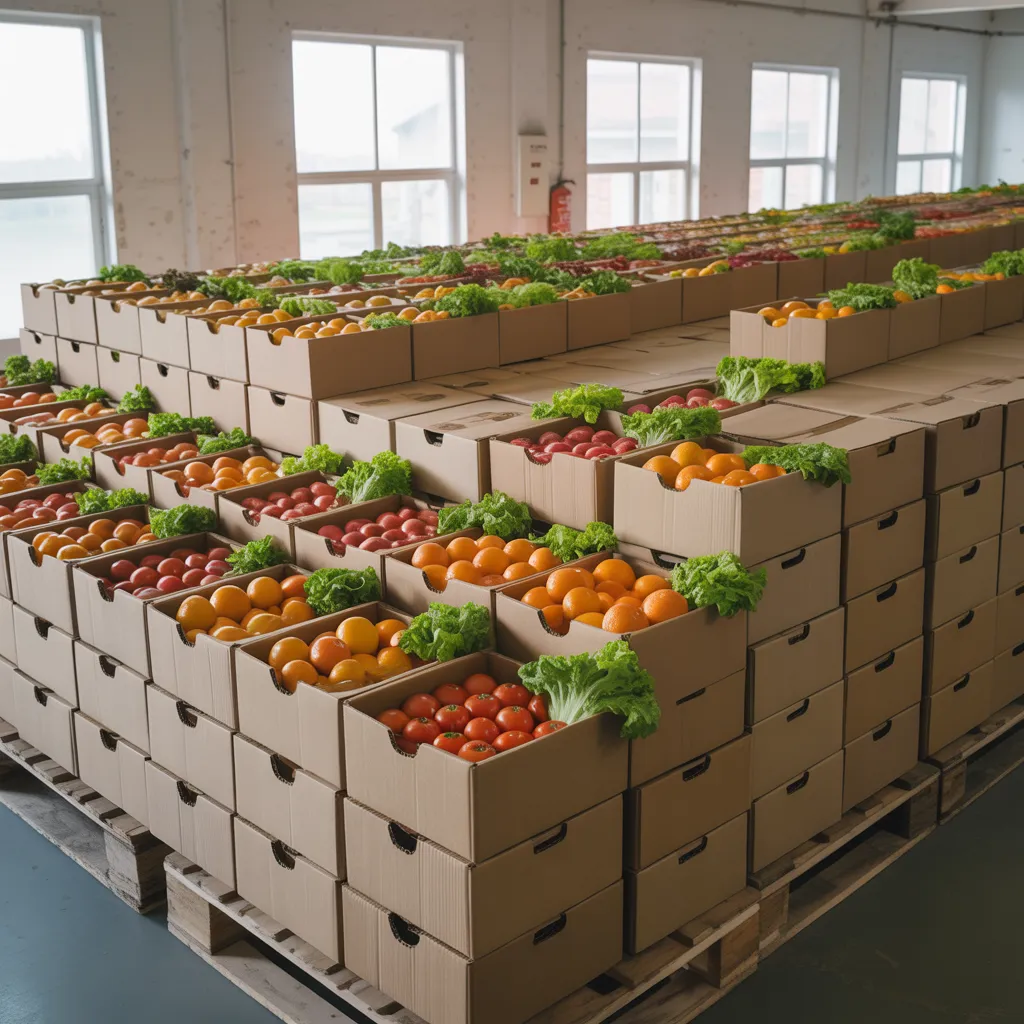
Handling and transport considerations serve as a considerable function in determining the appropriate size and contour of custom agricultural boxes. The proportions should fit the items without surplus space, this could result in movement and deterioration during transit. Compact boxes facilitate more straightforward care, while bigger containers could be necessary for oversized items. Moreover, proper ergonomics is essential; handles and openings should be strategically situated to provide comfortable lifting combined with carrying. The shape of the box also influences nesting and stability, confirming that products keep secure. Ultimately, careful consideration of these factors boosts the efficiency in transport, lessens goods damage, plus preserves the overall quality concerning the produce commencing at orchard to purchaser.
Maximize Display Space Usage
Effective shelf space usage copyrights upon establishing the proper size and shape of custom storage containers. Developers should take into account the layout specifications of the shelving units as well as the types of produce being positioned. Rectangular boxes often solidify space optimization, allowing for smoother arrangement and stacking. Alternatively speaking, nonstandard shapes can heighten visual appeal but may lead towards wasted space if not meticulously planned.
It's vital to review the product rotation speed; quick-moving products might gain from compact, readily accessible boxes. Moreover, utilizing adaptable or modular frameworks can support multiple sizes of produce while refining shelf arrangement. By focusing on functionality and aesthetic value, organizations can construct a practical and eye-catching presentation that strengthens both ease of access and product prominence.
How to Create Visuals That Grab Attention?
Compelling artwork can reshape a simple custom produce box into a beautiful showcase that attracts attention. To achieve this, designers should commence by selecting a color combination that conveys the vigor and brightness of the produce. Bright, eye-catching colors can awaken impressions of freshness and wellbeing, compelling consumers to practical resource take a closer look.
Strong typefaces is also essential; readable typefaces can effectively communicate key details while enhancing visual appeal. In addition, employing superior photographs of the produce can create an immediate connection, highlighting the product's quality and enticing potential buyers.
In addition, integrating unique patterns or illustrations can help differentiate the brand in a crowded market. Uniformity in design elements, such as logos and taglines, reinforces brand identity. Ultimately, a blend of creativity and clarity in graphic design can substantially improve the influence of custom produce boxes, making them stand out on shelves.
Eco-Friendly Practices for Personalized Produce Box Packaging
A expanding number of enterprises are adopting eco-friendly practices for custom produce box packaging, recognizing its importance in today's environmentally conscious market. These practices often feature the use of organic materials, such as recycled paper and plant-based plastics, which decrease environmental impact. Companies are also focusing on ethical sourcing, ensuring that materials are obtained from responsibly managed forests or suppliers who prioritize environmental stewardship.
Additionally, many brands are choosing simple designs that reduce waste while still successfully displaying their products. This approach not only attracts environmentally aware consumers but also aids in lowering production costs. Moreover, businesses are progressively implementing efficient manufacturing processes that limit energy consumption and waste generation. By incorporating these eco-friendly practices, companies not only enhance their brand image but also contribute positively to the planet, matching their operations with a sustainable future.
Validate Your Made-to-Order Produce Box Design
Reviewing the construction of bespoke vegetable packaging is an important phase in confirming they fulfill both aesthetic and performance-based standards. This undertaking usually involves studying components such as durability, capacity, and usability. First, working models need to be developed to inspect the package's overall soundness, making sure it can withstand transportation and preservation without affecting the produce.
Next, usability tests can be conducted to determine how easily the boxes can be opened, sealed, and stacked. Feedback from prospective customers can be priceless in this phase, providing insights into the box's functionality.
Additionally, the design's visual appeal should be examined through surveys or focus group sessions, gauging consumer feedback to brand design elements, color palettes, and total visual presentation.
Ultimately, thorough testing enables designers to refine the box, guaranteeing it not only attracts customers but also adequately safeguards and displays the produce within, striking the right equilibrium between form and function.
Showcasing Your Custom Produce Boxes Effectively
Impactful promotion of personalized vegetable containers requires a strategic approach that emphasizes their distinctive advantages and value. Companies must concentrate on identifying their intended customers, such as local farms, grocery stores, or individual consumers. Capitalizing on social media platforms can amplify brand awareness, showcasing the boxes' appearance and functionality through engaging visuals and storytelling.
Furthermore, working alongside local influencers or farmers can boost reputation and widen reach. Introducing promotions or discounts during seasonal peaks can bring in new clients and stimulate customer loyalty.
Additionally, highlighting environmental responsibility and green practices in marketing materials can resonate with environmentally conscious consumers. Providing detailed information about material composition and the benefits of custom packaging can further differentiate the product in a competitive market.
In the end, a detailed marketing strategy that combines online and community-based programs will successfully promote custom produce boxes, engaging a mixed clientele and boosting sales.
Frequently Asked Questions
What Fees Come With Custom Produce Box Design?
Charges concerning custom produce box design contain materials needed, printing, labor, and shipping. Also, design services and minimum order quantities can determine total costs, bringing about different pricing structures based on individual specifications and manufacturing scale.
What Time frame Is Needed to Produce Custom Boxes?
The manufacturing of custom boxes typically takes anywhere from two to six weeks. Elements influencing this timeline include design complexity, availability of materials, and production capacity, all of which may impact delivery schedules and turnaround periods.
Can I Order a Limited Amount of Custom Produce Boxes?
Yes, modest quantities of custom produce boxes can usually be ordered. Many distributors offer base purchase minimums, permitting enterprises or consumers to obtain tailored packaging options without having to commit to substantial amounts at the start.
What Frequent Pitfalls Should You Avoid When Creating Bespoke Boxes?
Typical errors in custom box layout involve overlooking functionality, disregarding brand consistency, undervaluing material quality, failing to take into account target audience preferences, and disregarding environmental impact. Each aspect is vital for successful packaging and customer satisfaction.
How Do I Confirm That My Boxes Comply with Food Safety?
To guarantee boxes remain food-safe, you should select materials approved for food contact, avoid dangerous inks and adhesives, preserve cleanliness during production, and consistently monitor for compliance with health regulations and safety standards.